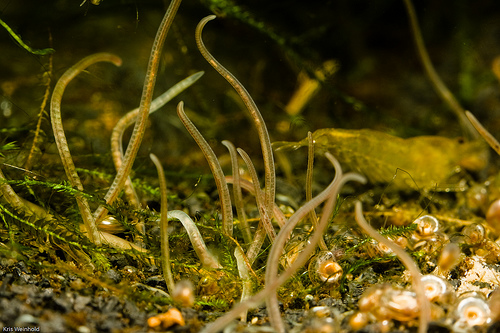
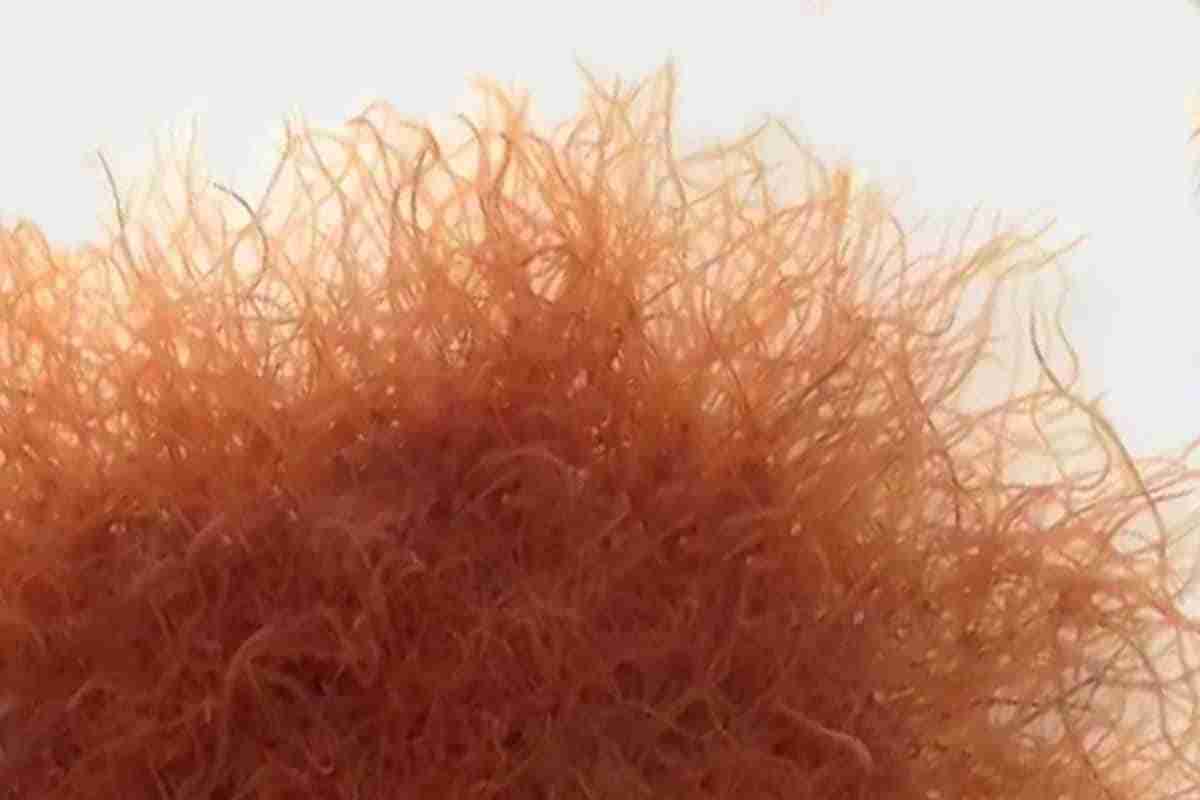
Lumbriculus variegatus

Blackworms replaced the Tubifex worms in the late 20th century. Two producers of California Blackworms exist that supply all of North America. They're not cultured in the sense microworms are but are instead bred in huge ponds.


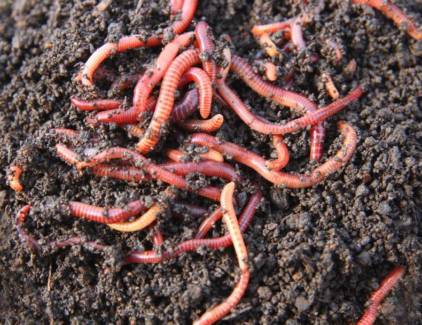
Eisenia fetida

The best known are African red worms, commonly sold as bait, make an excellent food for larger fish. African nightcrawlers can also be grown but are really too large for anything but large gluttonous fish.


Enchytraeus buchholzi

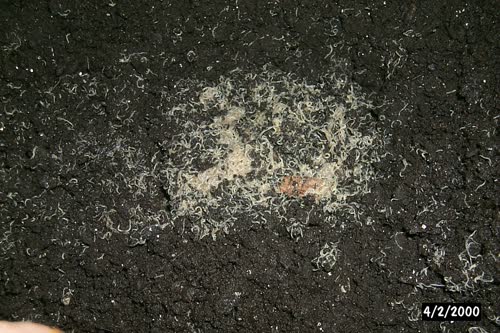
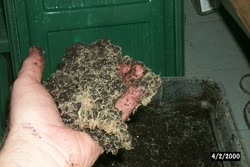
Rather small, barely an inch long grindals have a little less fat that white worms and are easy to culture. They like room temperaure (70 - 80).


Solutions to common problems culturing these worms.


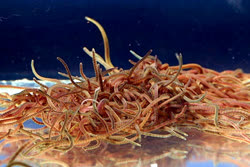
Tubifex tubifex

"Sludge worm", "Sewer worm" or just "Tubifex" (Not tubif-L-ex"). They can be found in drainage ditches from cow fields or any place where sewage accumulates. When IW as about 10 and exploring liminal spaces I saw some ounce in a ditch in one such place when I Was very young, but never saw them again. Form the wild they must be purged in running cold water until clean. In the 1980 I was living in Los Angeles, and tubifex was available. But once a local girl caught hepatitis from them their importation from Mexico was banned and trout/black worms backfilled in their absence.

In the 1990s Wright Huntley in California was routinely culturing them in his back yard in a 65 gallon tank with running cold water; he lives in the San Francisco Bay Area not the hot south, so it was cooler than one might think for California.

Se also this paper on backyard tubifex cultivation.


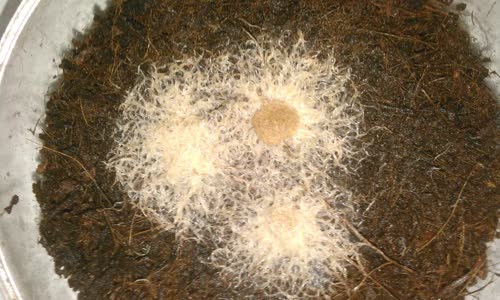
Enchytraeus albidus

The next size up from Grindal worms they are also easy to culture. The secret is, they prefer it cool (50 - 65). Given soil, a cool environment and regular feeding, they are fairly prolific.